
Clinical Evidence
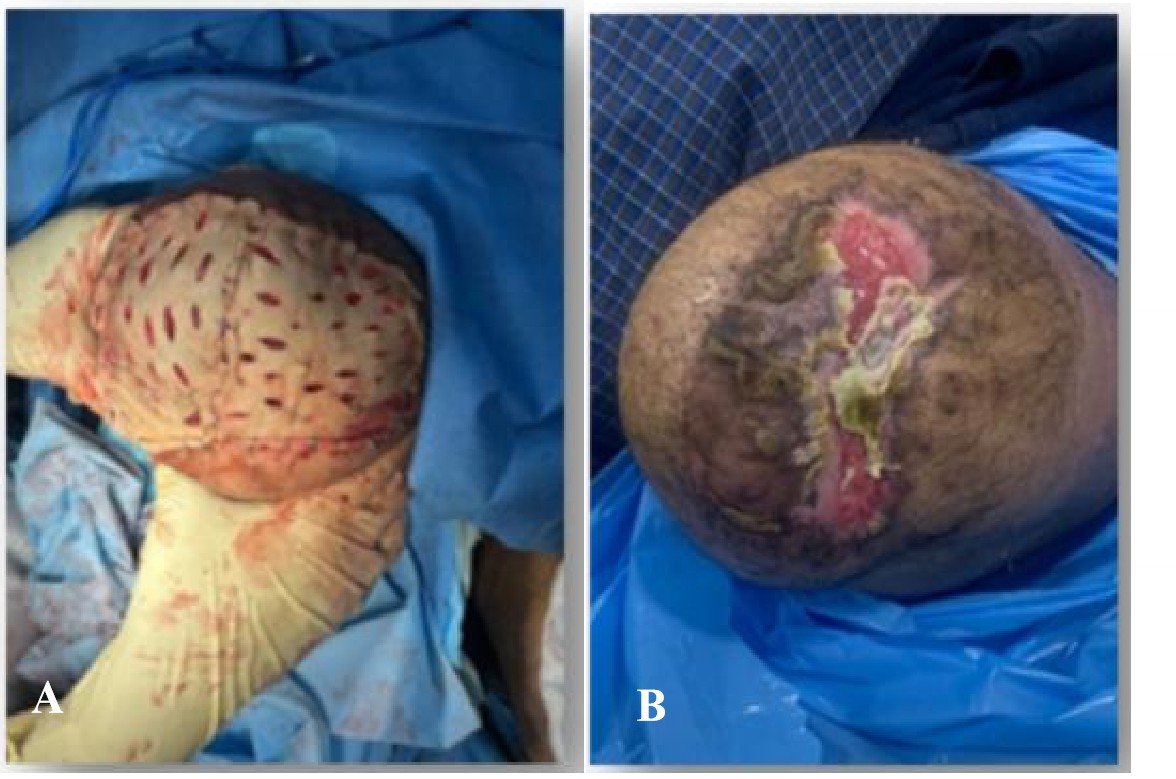
Rapid Healing of a Delayed Post-Amputation Wound
Femoral Artery ThrombosisPost-amputation wound complications are a known problem for people with peripheral arterial disease. The risk is much higher for people who have immunosuppression or metabolic problems. When femoral artery thrombosis affects tissue perfusion, the body's natural processes for healing wounds are greatly weakened, making patients more likely to get a secondary infection and have long-lasting health problems. We present the case of a 56-year-old man with type 2 diabetes mellitus, HIV infection, hypertension, and malnutrition who underwent right below-knee amputation following CT angiography-confirmed femoral artery thrombosis.
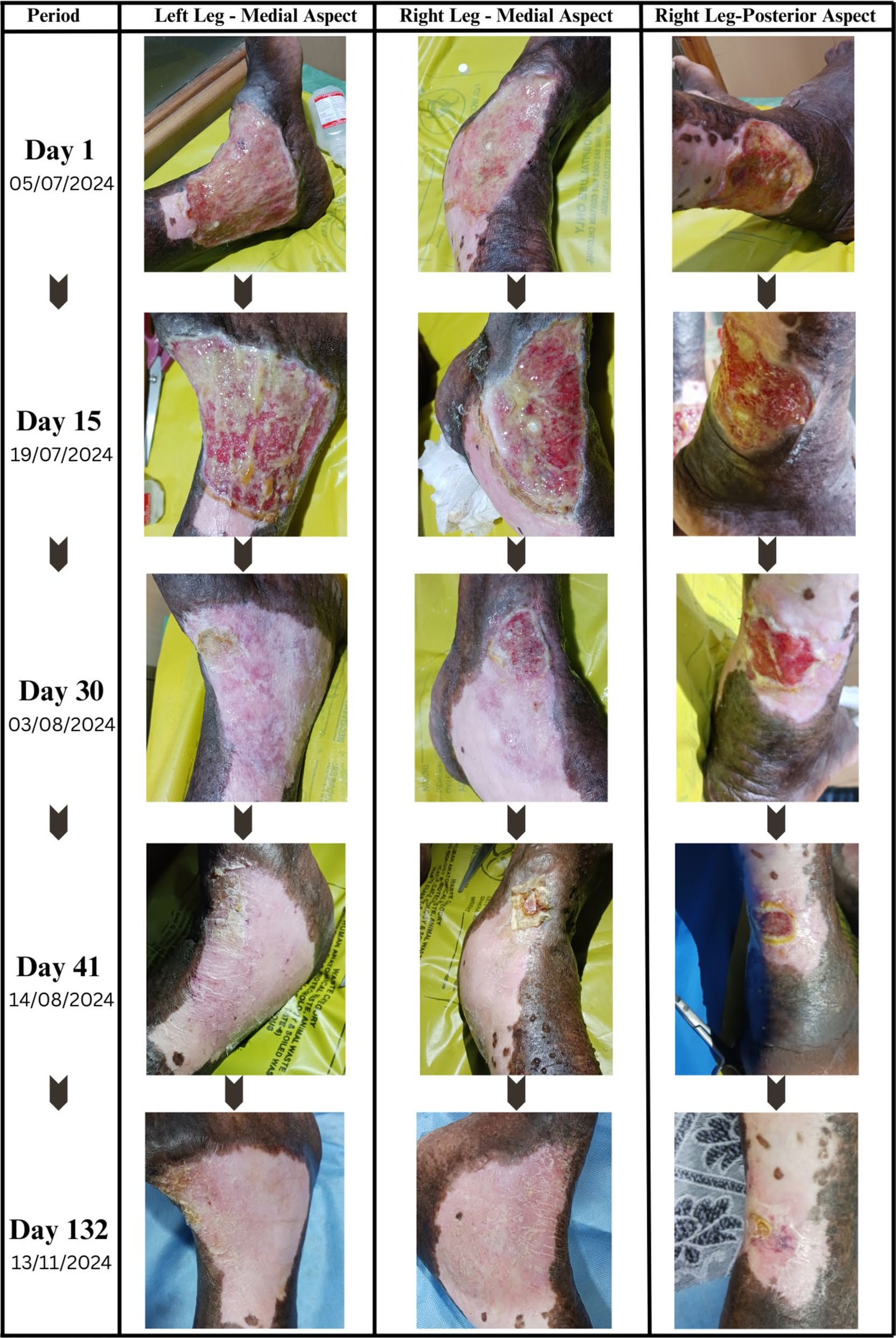
Multipronged Management of Chronic Venous Leg Ulcers
Journal of Medical Case Reports (BMC)Venous leg ulcers (VLUs) represent 70–90% of all chronic leg ulcers, significantly impacting quality of life and imposing a substantial socioeconomic burden. This clinical case report documents the multipronged management of chronic non-healing venous leg ulcers using advanced bioactive wound dressings combined with tailored glycemic control, nutritional support, and patient-centered protocols.
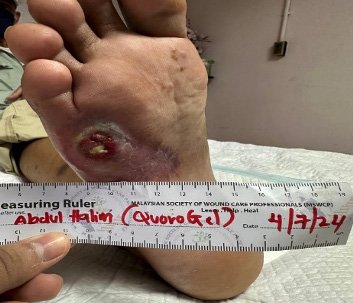
QuoroGel Primary Dressing in Hard-to-Heal Wounds
Malaysian Society of Wound Care Professionals (MSWCP)Chronic wounds remain a persistent challenge in clinical practice, often necessitating advanced therapeutic interventions to facilitate healing and mitigate complications. This clinical case series investigates QuoroGel bioactive wound gel as a primary wound dressing for the treatment of hard-to-heal, complex chronic wounds, evaluating tissue regeneration and accelerated re-epithelialization.